Guides
Free Shipping Thresholds: How to Avoid Paying for Shipping
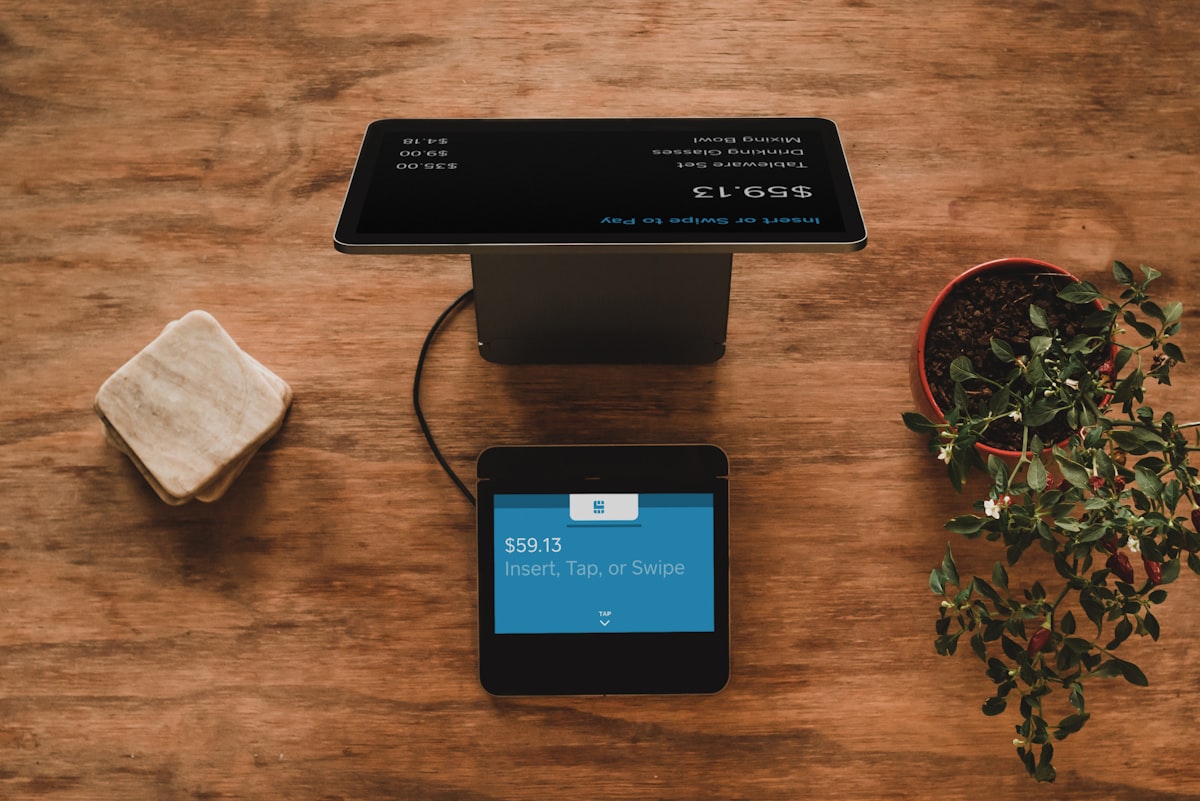
Shipping fees can quietly erase a discount you just earned, so it’s worth having a plan for clearing the free shipping threshold without padding your cart with things you don’t actually want.

Beat the Free Shipping Threshold With Loyalty Perks
Many retailers waive their shipping minimum entirely for free loyalty program members. If you shop somewhere regularly, it’s worth checking whether a free account removes the threshold altogether — this is one of the most overlooked ways to avoid the fee, since it costs nothing to sign up and often applies retroactively to the order you’re already building.
Clear the Free Shipping Threshold Without Overbuying
Instead of adding an unrelated item to hit a minimum, look at what you’ll need in the next few weeks anyway — household basics, refills, gift items — and pull that purchase forward instead of buying filler you won’t use. This turns a shipping-avoidance tactic into an actual useful purchase rather than waste.
Combine Orders to Hit the Free Shipping Threshold
If you’re close to two separate purchases, combining them into one order to clear the threshold once is usually cheaper than paying shipping twice, even if it means waiting a few extra days on one item. This is especially worth doing when the items are going to the same address anyway.
Free Shipping Threshold Exceptions to Watch For
Clearance and outlet sections sometimes carry a flat “shipping included” tag independent of the general order minimum — worth checking before assuming you need to hit the full threshold. Gift cards, digital items, and some subscription add-ons are also commonly exempt from shipping charges regardless of order size.
When Skipping the Free Shipping Threshold Makes Sense
If the item you want is time-sensitive or the alternative is padding your cart with something you don’t need, paying a small flat shipping fee is often cheaper than the padding — a $6 shipping charge beats buying an extra $20 item you didn’t want just to avoid it.
A Quick Mental Checklist
Before adding a filler item, ask: would I buy this anyway within the next month? Is there a loyalty account I haven’t checked? Is combining this with another planned order realistic? Running through these three questions usually surfaces a better option than padding the cart blindly.

Regional and Same-Day Delivery Options
In some metro areas, retailers now offer same-day or next-day delivery through a local courier partnership that carries its own separate fee structure from standard shipping — sometimes cheaper, sometimes not, depending on the order size. It’s worth comparing this option against standard shipping rather than assuming faster delivery always costs more; for smaller orders in a serviceable area, the local delivery fee can occasionally undercut a flat shipping charge on the slower default option.
Seasonal Shipping Promotions Are Worth Tracking
Retailers sometimes waive their usual shipping minimum entirely during specific promotional weeks (holiday shopping periods being the most common), even for shoppers without a loyalty account. If your purchase isn’t urgent, checking whether a known seasonal free-shipping promotion is coming up within the next few weeks can be a better strategy than solving the threshold problem through a loyalty signup or filler purchase right now.
One More Thing to Check
Some credit cards include purchase protection or shipping-fee reimbursement as a little-known cardholder perk — worth a quick look at your card’s benefits guide before assuming a shipping charge is simply unavoidable.
Bottom Line
The free shipping threshold is a nudge to spend more, not a rule to follow at all costs — treat paying a small shipping fee as a legitimate option, not a failure.
Shipping thresholds are a deliberate nudge built into checkout design, and recognizing that framing makes it easier to decide rationally rather than reactively. The best outcome is usually the one where you end up paying for something you needed anyway, not something added purely to dodge a fee.
Ultimately, the goal is spending the same or less than you would have anyway, just spent more deliberately — not finding a clever workaround for its own sake.
None of this requires much extra thought once it becomes habit — checking loyalty status and combining orders takes less time than it does to explain.