Guides
How to Return an Online Order Without Losing Money

A refund isn’t always a full refund. Between return shipping, restocking fees, and store-credit-only policies, it’s possible to send something back and still come out behind.
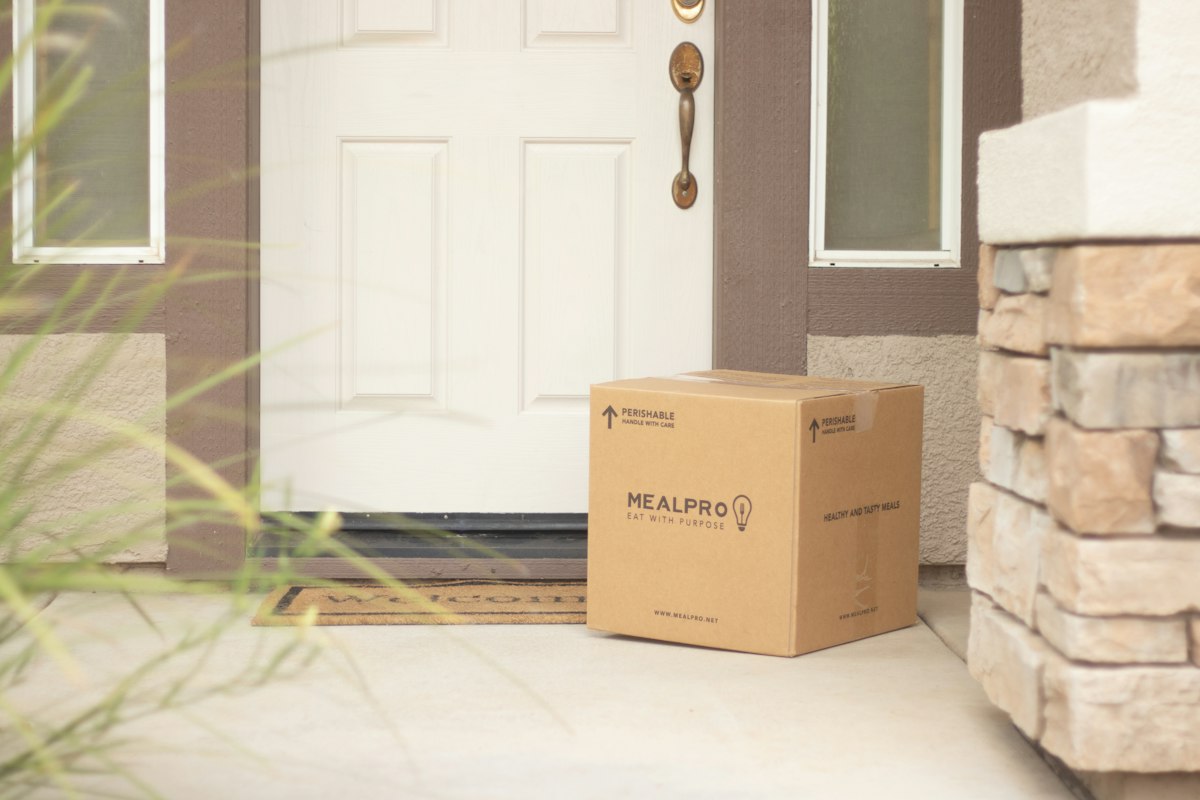
Return an Online Order Without Paying for Shipping
Some retailers offer free returns; others deduct a flat return-shipping fee from your refund automatically. This is usually disclosed on the order confirmation or return portal — check before printing a label, not after the refund posts. A growing number of retailers also offer free in-store returns for online orders even when mail returns carry a fee, which is worth checking if you live near a physical location.
Restocking Fees When You Return an Online Order
Electronics, opened software, and large furniture are the categories most likely to carry a restocking fee, often 10-20% of the item price. Clothing and most general merchandise typically don’t carry one. If a restocking fee applies and the item is defective rather than simply unwanted, it’s worth asking customer service directly — many retailers waive the fee for verified defects even when their general policy allows charging it.
Return an Online Order: Store Credit vs Refund
Returns without a receipt, or past a certain window, are often refunded as store credit rather than back to your card. If you don’t plan to shop there again, that’s a meaningful loss even though the “return” technically succeeded. Always confirm which refund method applies before shipping an item back, since it can change whether the return is even worth the effort.
Return an Online Order the Cheapest Way
If you’re returning more than one item from different orders, combine them into a single return shipment where the retailer allows it — this avoids paying (or losing time on) return shipping more than once. Some retailers explicitly support multi-order return labels through their online portal; it’s worth checking before printing separate labels for each item.
Timing Your Return Around Sale Prices
If an item you’re returning has since gone on sale, some retailers will only refund the sale price rather than what you originally paid, particularly without a receipt. Returning promptly, before a price drop happens, avoids this issue entirely.
Check This Before You Return an Online Order
The best time to check a return policy is before checkout, especially for anything expensive or sized — knowing the restocking fee and shipping terms up front avoids an unpleasant surprise if the item doesn’t work out. Bookmarking the specific policy page for a retailer you order from often is a small habit that pays off repeatedly.

Return Windows Can Differ From Purchase Windows
A retailer’s general return policy window and a specific promotional purchase’s return window aren’t always the same — items bought during a major holiday sale sometimes get an extended return deadline specifically to account for gift-giving, which isn’t always advertised prominently at the time of purchase. It’s worth checking the order confirmation email specifically rather than assuming the general policy applies unchanged during a big sale event.
Original Packaging Requirements Are Often Stricter Than Expected
Some retailers require the original packaging, tags, and even inner plastic wrapping to remain intact for a full refund, particularly for electronics and cosmetics — discarding packaging before deciding whether to keep an item is one of the more common ways people unknowingly forfeit a full refund. If there’s any chance you might return something, it’s worth holding onto the original box and packaging materials until the return window has fully closed.
One More Thing to Check
Ask whether a retailer offers a “return label included in the box” option at checkout — this sometimes costs a small fee upfront but guarantees a lower flat return rate than generating a label after the fact through their portal.
Bottom Line
A successful return and a financially neutral return aren’t always the same thing — check the fee structure and refund method before assuming a return fully undoes the original purchase.
A return should be judged by what actually lands back in your account, not just whether the retailer accepted the item back. Checking the fee structure before shipping something back takes a few minutes and can be the difference between a genuinely free return and one that quietly costs you money.