Behind the Scenes
How We Verify Every Coupon Code Before It Goes Live
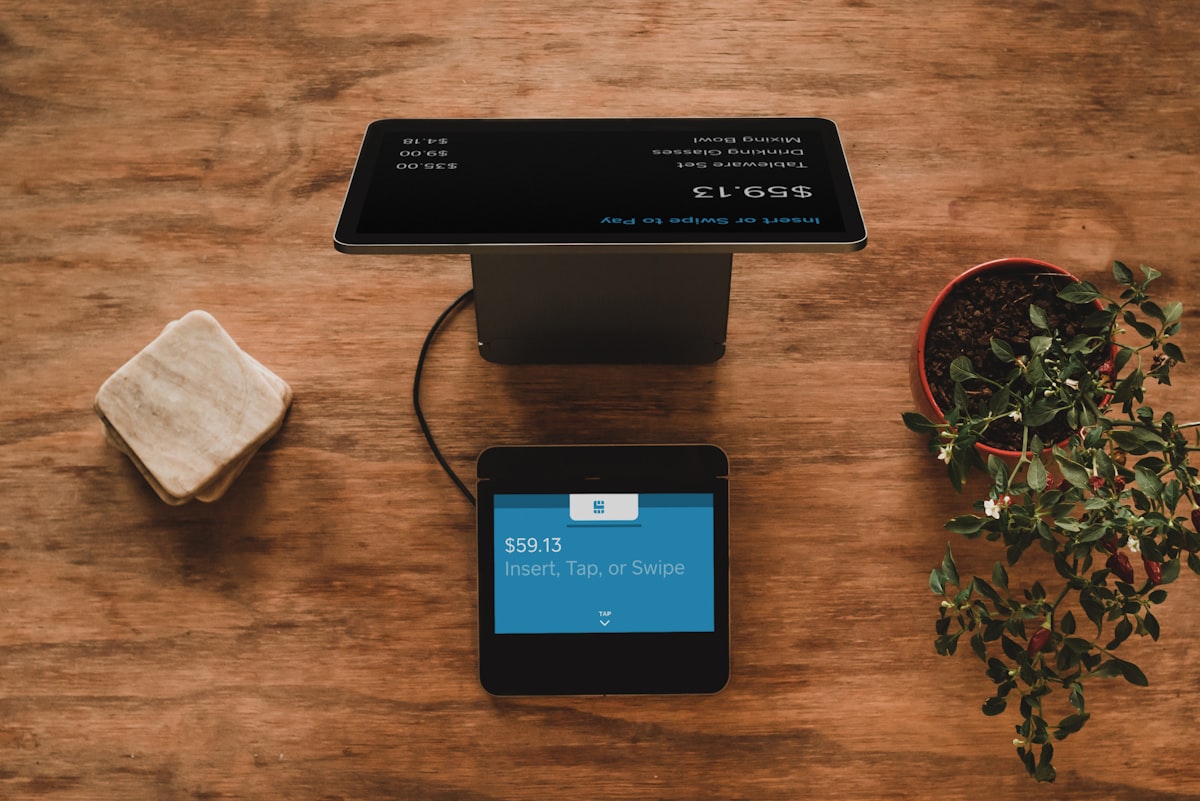
The most common complaint about coupon sites is simple: half the codes don’t work. That’s usually a sourcing problem, not a bad-luck problem, so here’s how we try to avoid it.

How We Verify Coupon Codes: Where They Come From
Most codes come from affiliate networks that retailers themselves publish into, which means the retailer has already approved the offer. A smaller number are submitted by readers, and those go through manual review before anything is published. This mix — network-sourced plus reader-submitted — tends to produce a broader and fresher set of codes than relying on either source alone.
How We Verify Coupon Codes Before Publishing
Before a code goes live, it’s tested against the retailer’s actual checkout flow — added to a cart, applied, and checked for whether the discount actually lands. Codes that fail this step don’t get published, even if the affiliate feed lists them as active. This catches a meaningful share of codes that look valid in a feed but have already quietly stopped working at the retailer’s end.
Why We Verify Coupon Codes on a Schedule
Retailers can end a promotion early without much notice, especially flash sales. We re-check published codes on a regular schedule and pull anything that’s stopped working, but there’s always a small window between a code expiring and it coming down. Codes tied to high-traffic or high-demand promotions get rechecked more frequently than slower-moving, evergreen codes.
What Happens When a Code Fails Verification
A code that fails the checkout test isn’t necessarily removed permanently — some codes are restricted to certain regions, certain account types, or certain devices, which can cause a false failure during our test even though the code works for some users. Where that’s a known pattern for a specific retailer, we note it rather than pulling a code that may still be valid for others.
The Limits of Any Verification Process
No verification system catches everything instantly — a code can pass a check in the morning and be pulled by the retailer that same afternoon. This is true of every coupon site, not just this one, and it’s why “verified” should be read as “worked as of this date” rather than a permanent guarantee.
What “Verified” Means on This Site
When you see a verified badge next to a deal, it means the code passed a checkout test as of the date shown. It’s not a permanent guarantee — just the most honest signal we can give you about whether it’s likely to work right now, based on the most recent check we ran.
Why Some Codes Show as Regional
A code that works for one visitor and fails for another isn’t always a verification error — some promotions are deliberately restricted by region, by new-vs-returning customer status, or by the device used to shop. When we’re aware a specific retailer runs region- or device-restricted promotions, we try to note that alongside the code rather than letting it appear as a flat pass-or-fail result that doesn’t reflect the more complicated reality.
Reader Reports Help Catch What Automation Misses
Beyond scheduled rechecks, reports from readers who try a code and find it doesn’t work are one of the fastest ways a listing gets updated, often faster than the next scheduled automated check would catch it. This is part of why community feedback loops, even informal ones, tend to produce more current coupon listings than a purely automated system checking on a fixed schedule alone.
One More Thing to Check
If you ever find a code on this site that doesn’t work, using the contact form to report it helps more than you’d think — it’s often the fastest way a listing gets corrected, faster than waiting for the next scheduled recheck.
Bottom Line
Verification reduces dead codes significantly but can’t eliminate them entirely — checking the verification date next to any code is the best way to judge how current it likely is.
No verification process is perfect, but a transparent one that explains its own limits is more trustworthy than one that implies certainty it can’t actually deliver. Checking the verification date next to any code remains the single most useful habit for judging how current it likely is.